
Exploring Spain in 27 Recipes: Day 1 — The Trip Begins
The first recipe of our trip!

The Trip Begins
Today is the first day of our gastronomic trip around Spain. We will be travelling around the whole country in the next few weeks, through 27 recipes that will help you recreate at home the flavours and aromas that populate the different regions of Spain. I hand-picked recipes that are authentic, easy to replicate at home, and that require ingredients that are easy to find abroad. The idea behind this series is that you can replicate from abroad the Spanish gastronomic experience, region by region.
Our First Stop
Since most of my readers are based in the US, I though it would be cool to start the trip from the most western region of Spain, as it’s the first part of the country that you would reach if arriving from America.
So fasten your seatbelts and get ready for takeoff. We will be arriving soon at the most western part of Spain: Canary Islands.
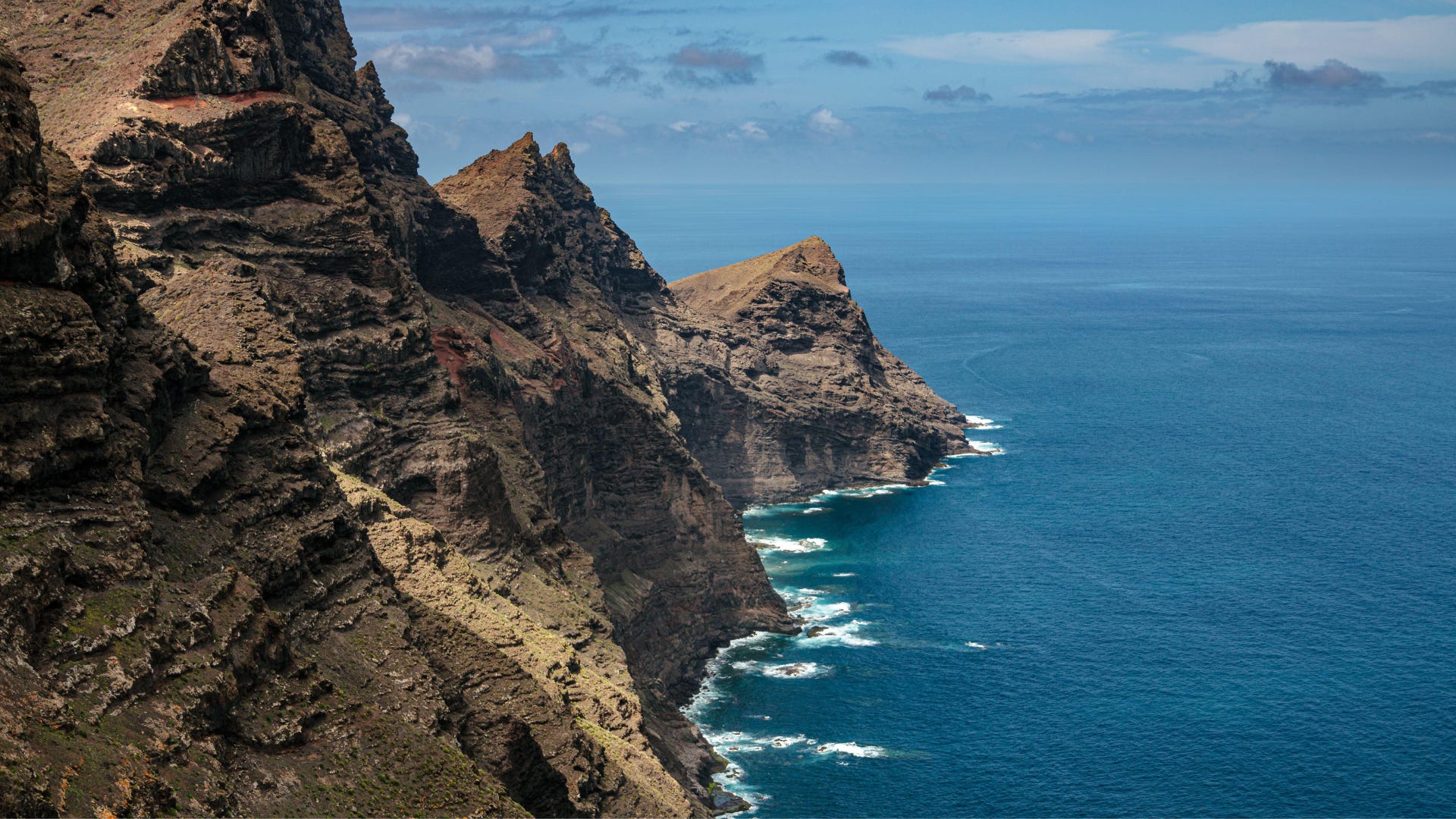
About Canary Islands
The Canary Islands are located off the western coast of Africa, in front of the Sahara Desert, about 1.000km (621 miles) away from mainland Spain. This doesn’t sound like a lot, but it just refers to the closest corner of Spain. If we take, let’s say Madrid, that distance doubles, making Madrid be actually closer to Munich in Germany than to the Canary Islands.
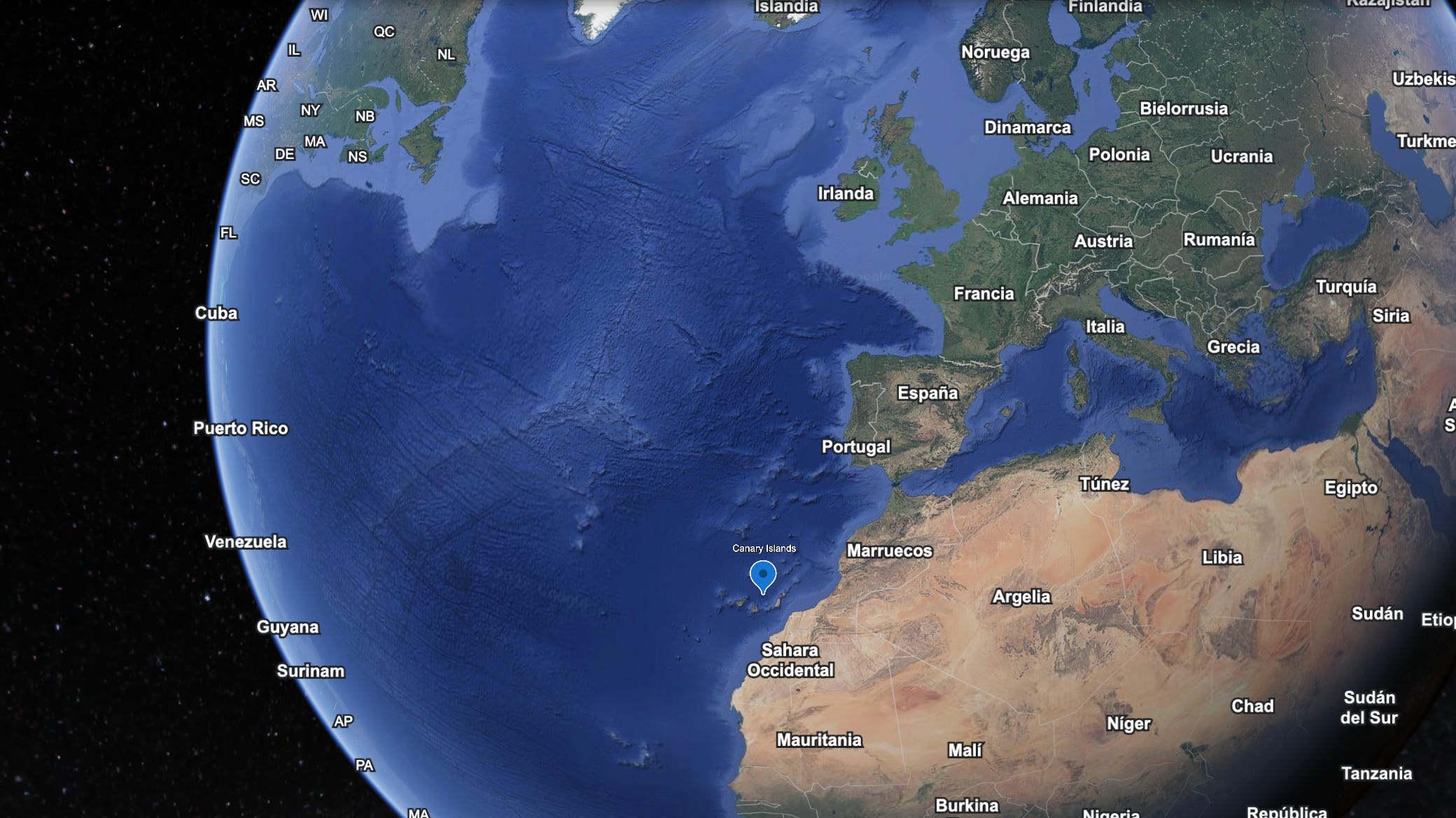
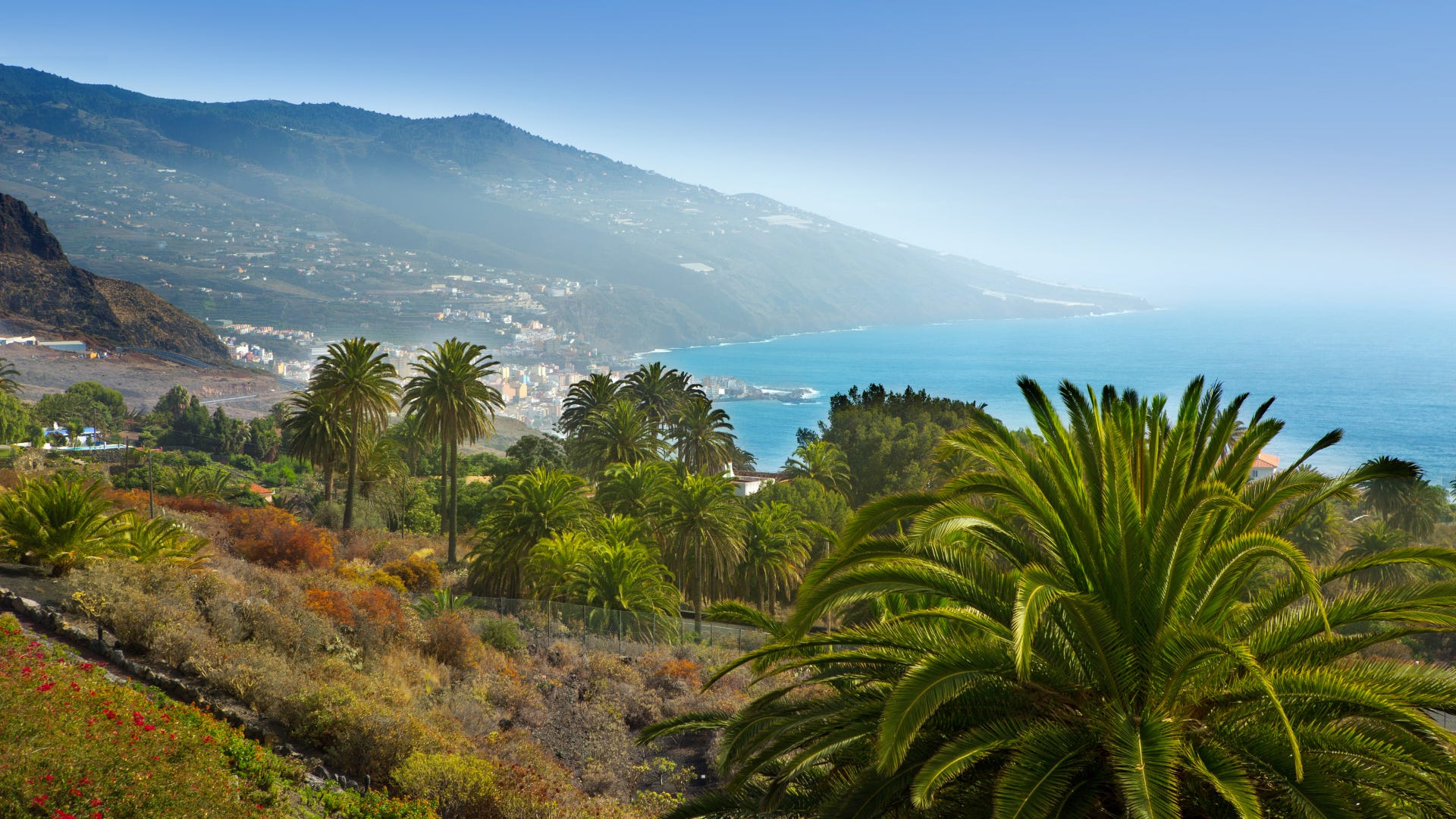
The archipelago is made up of 8 volcanic islands and a few small islets, and is inhabited by over 2 million people. This region of Spain is said to have the best weather on Earth for humans, which is one of the reasons why it’s such a popular destination for tourists from Northern Europe looking for warmer temperatures during the winter season. Contrary to most of Spain, the peak season for tourism in the Canary Islands is winter.
Interesting Fact:
The Canary Islands are so far away from mainland Spain that they’re the only region in the country on a different timezone. While Spain itself is located on the “wrong” timezone, being an hour ahead of Portugal and the UK, which are on the same longitude, the Canary Islands are 1 hour behind mainland Spain. So, in net terms, the Canary Islands are on the same timezone as Portugal or the UK, while mainland Spain is on the same one as Germany or Italy.
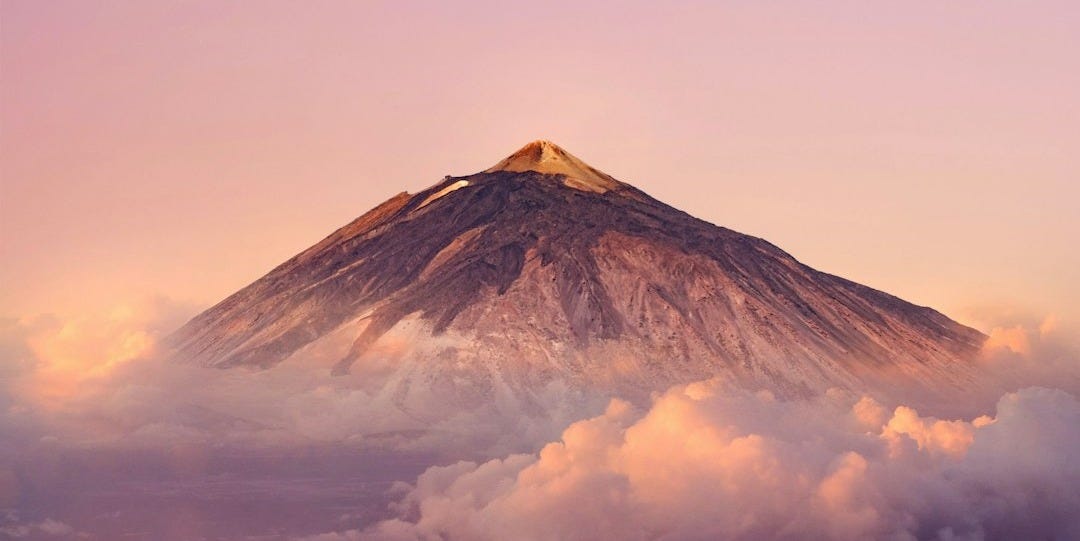
The natural beauty of the region is stunning, made of volcanic landscapes, Atlantic breeze and natural beaches. Tenerife, one of the islands, hosts the highest mountain in all of Spain, which happens to be a volcano. It’s called Teide, and it towers over the archipelago at 3,715m (12,188ft) over sea level. This is just 500m (1,640ft) less than the famous Mauna Kea in Hawai. On top of that, Teide stands at 7,500m (24,606ft) over the sea bottom.
The landscapes vary immensely across the different islands due to micro climates, some looking more volcanic and Mars-like, while others look greener, covered by plants. A fun fact about this is that NASA’s Perseverance robot was tested and calibrated in the valley of Teide in the Canary Islands, due to its resemblance to Mars with its volcanic rocky landscapes.
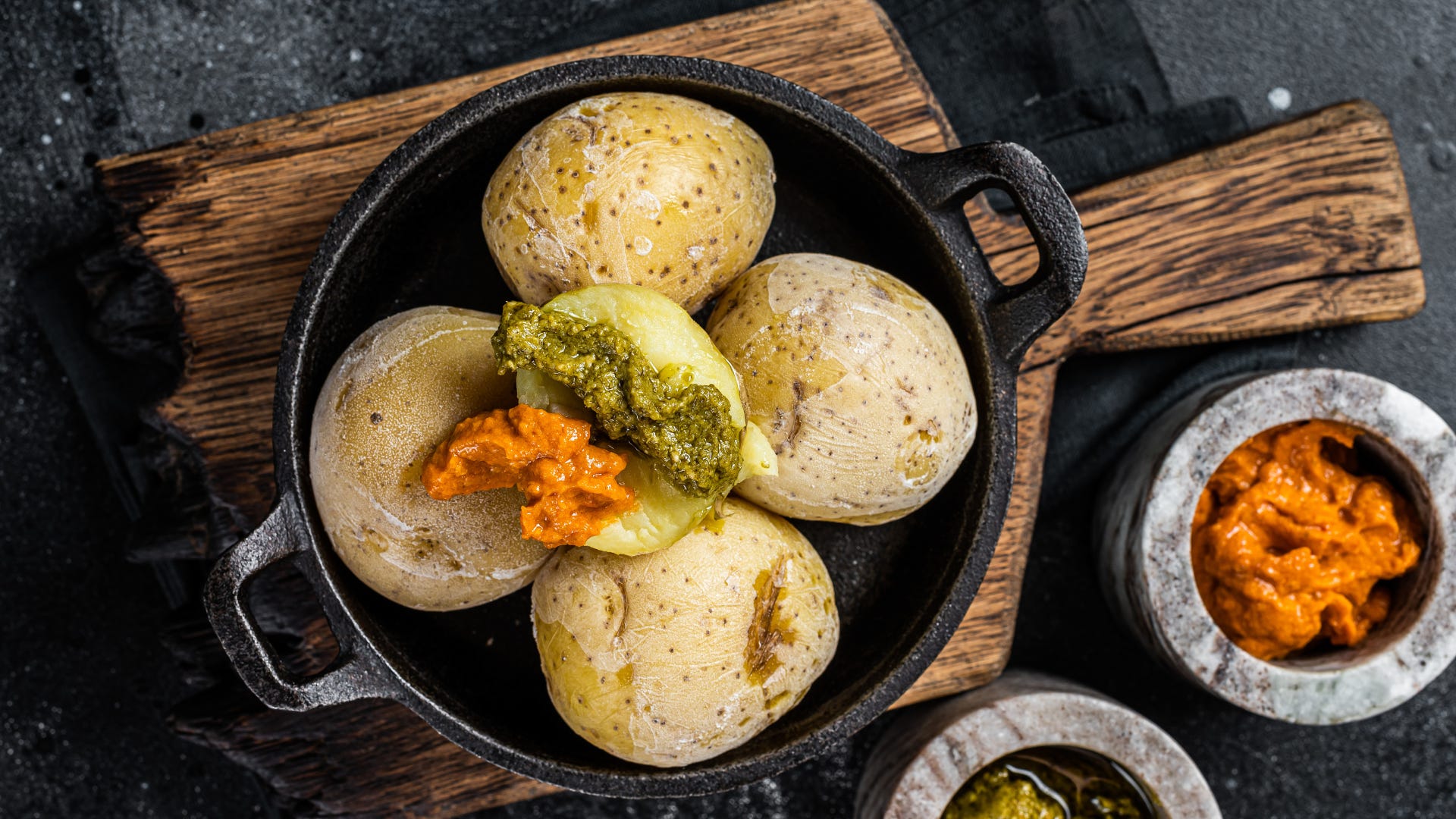
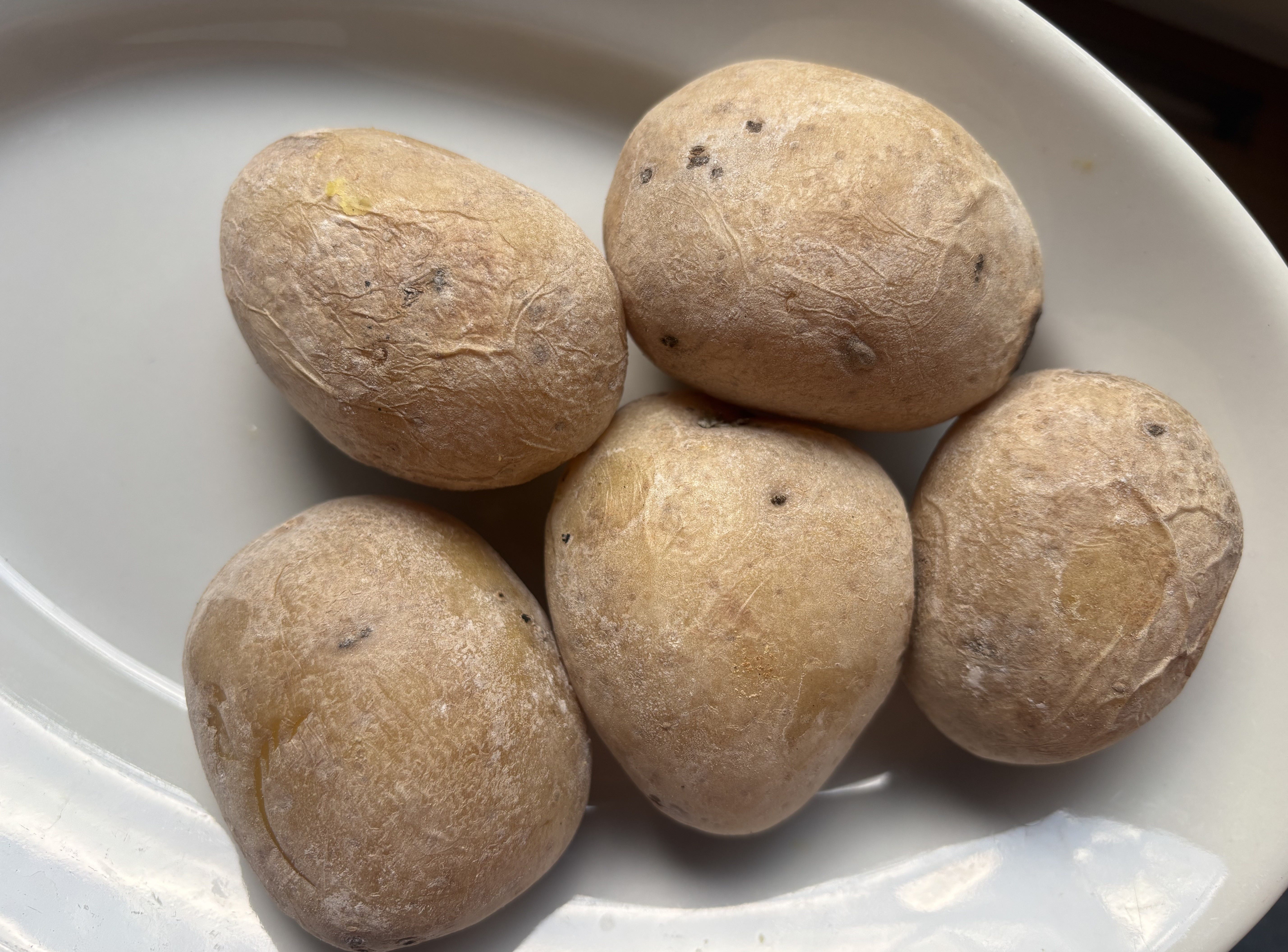
However, while the islands are different from one another, there is a popular dish that we can find in all of them. It’s not a refined food, but something that you can find in most bars or restaurants, and that is loved by locals and tourists alike. I guess we could look at it as the Canary equivalent to patatas bravas. I’m of course talking about Papas Arrugadas con Mojo.
What are Papas Arrugadas? And Mojo?
In mainland Spain, the word used for potato is patata. But in many places in LATAM, they word used for potato is the same that is used in the Canary Islands: Papa (not papá, which means dad). Arrugadas means wrinkly or creased in Spanish. So we are talking about “Wrinkly Potatoes” here.
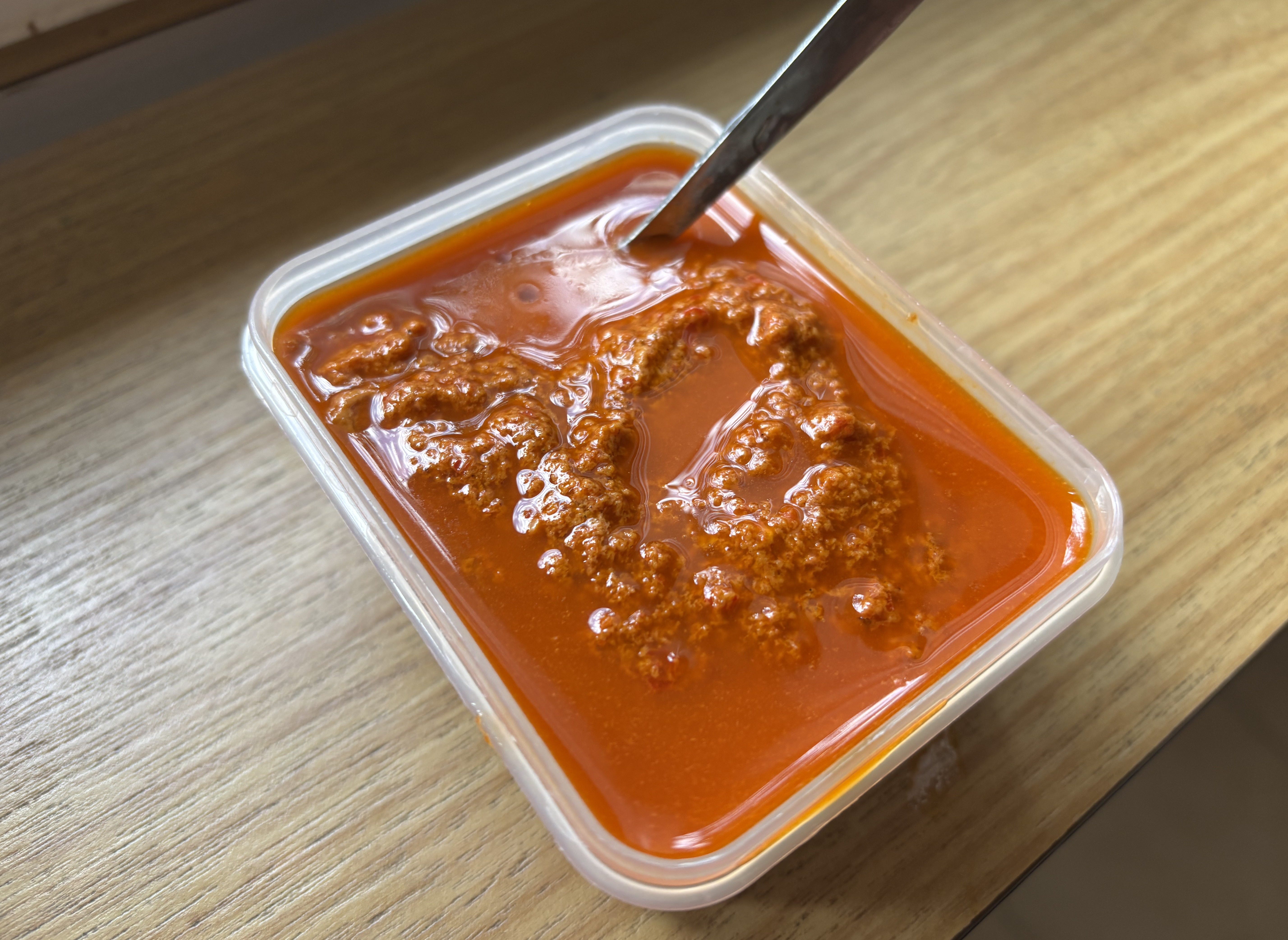
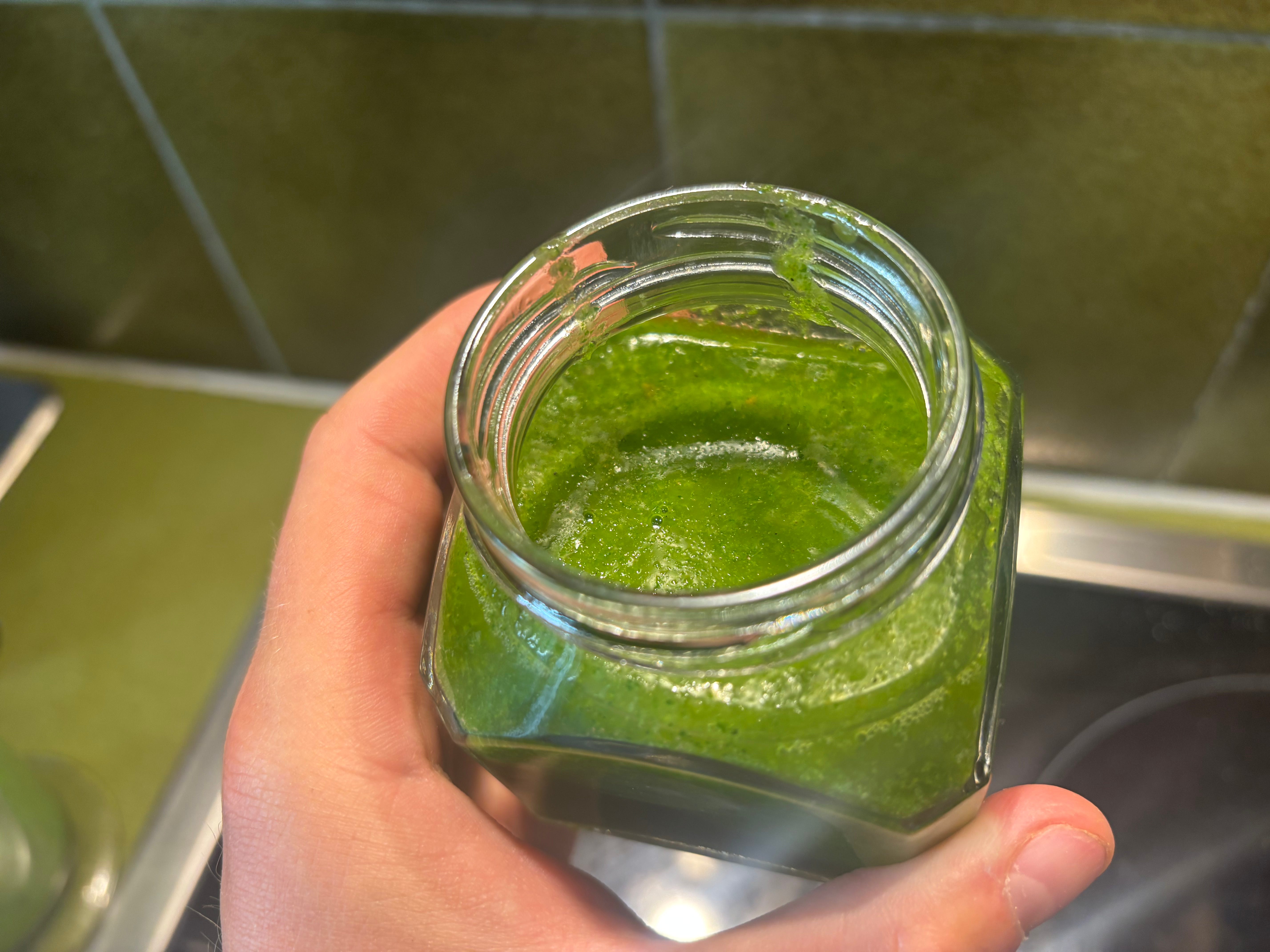
However, we’re missing the Mojo part. Mojo is a popular local sauce in the Canary Islands that is used to dress the “wrinkly potatoes”, and there are two main types: Green Mojo (Mojo Verde) and Spicy or Red Mojo (Mojo Picón or Rojo).
Where does this recipe come from?
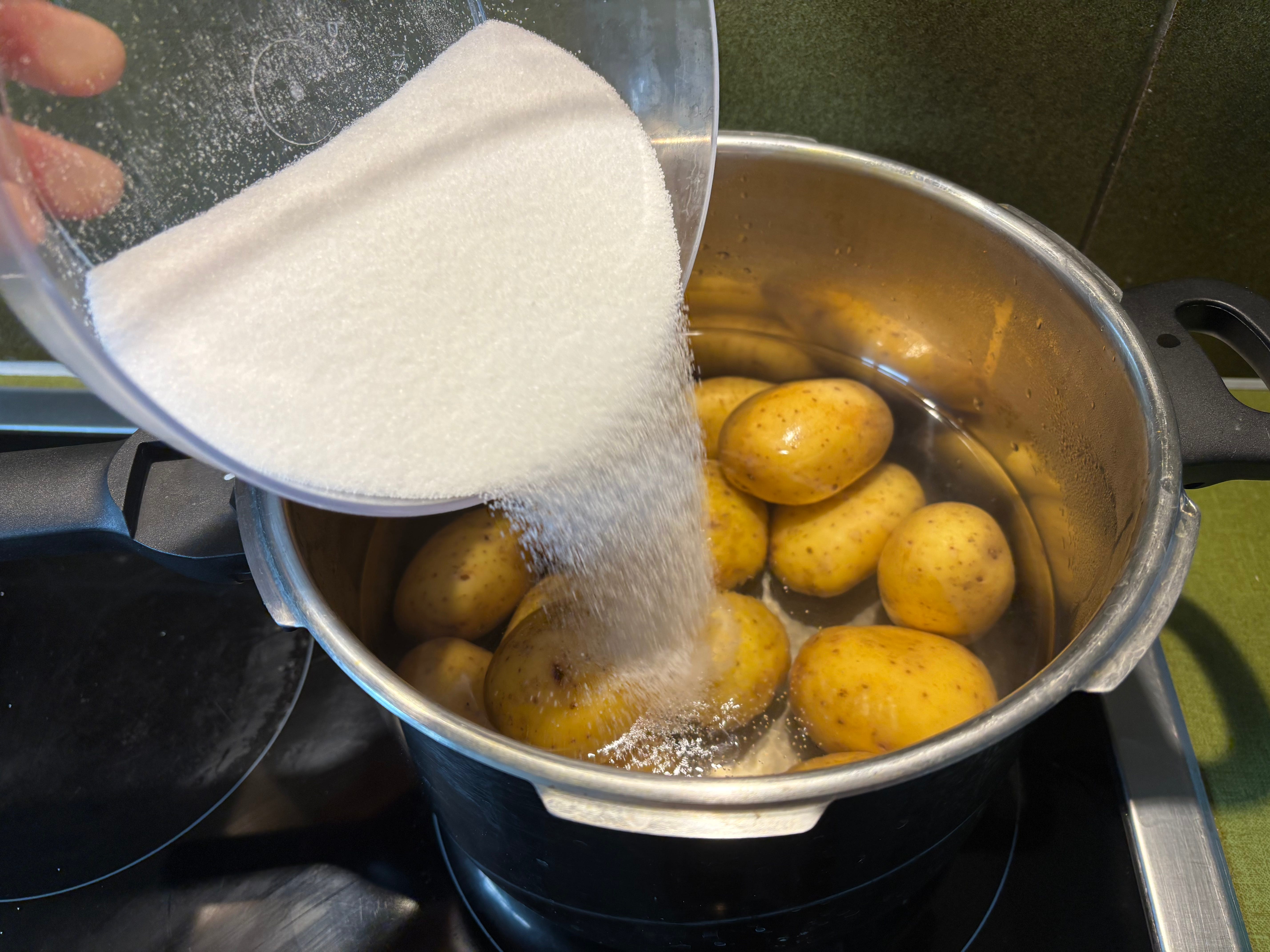
It is believed that the method for cooking papas arrugadas, consisting on a low amount of water with a high concentration of salt, stems from ancient preservation techniques that were heavily salt-oriented. Potatoes were introduced in the region soon after the discovery of America, and as for many Europeans at the time, they became a staple due to their versatility and ease of growing.
In regards to the sauces, the origins of the most popular mojo picón (or rojo) are believed to date back to the early stages of transatlantic trade. Explorers and merchants would have passed through the Canary Islands on their routes, loaded with spices from different regions. These spices slowly made their way into the local cuisine of the archipelago, and became one the traditional sauces of the Canary Islands.
Why did I choose this dish for our 27-stop trip?
While there are different local dishes in the Canary Islands, papas arrugadas are probably the most popular one that can be found across the whole region. They’re also a cheap, widely available dish that populates the tables of many restaurants and bars. For these reasons, I think papas arrugadas are the perfect pick for this series, as they replicate very well some of the most popular aromas and flavours that you would come across if you visited the Canary Islands.
Remarks about ingredients:
(You can skip to recipe)
Potatoes: People use a specific type of potatoes in the Canary Islands for making this dish. Since you won’t find it abroad, try find small round potatoes that are good for boiling.
Olive Oil: You don’t need to use your fanciest olive oil. I know olive oil can be expensive abroad, so you’re not expected to spend a fortune on making these dip sauces. But if you can secure some decent extra virgin olive oil, the sauces will work better, as olive oil is the base in both of them.
Bread / Gluten Free Flour: For the red mojo, we will use a small amount (30g / 1oz) of bread to make it thicker. In my case, I used buckwheat flour to make it gluten free instead of bread.
Coriander: I used about 25g (almost 1oz) of fresh coriander. Some recipes use up to 80g (almost 3oz) but I think it was enough with less. If you can’t or don’t want to use fresh coriander, it probably also works well with ground coriander.
Paprika: I added paprika together with a spoon of water to make up for pimientos choriceros, which are a kind of sun dried peppers that are popular in Spain. If you can secure Spanish paprika, it would be best for the recipe. There is a DOP Paprika in Spain from the region of Murcia called De La Vera. It’s widely available in supermarkets even abroad, but if you can’t find it, just use any paprika you can get or similar dried pepper powder.
Setting the ambiance
I found this playlist on YouTube with music from the Canary Islands, so you can play it while you cook these delicious potatoes!
The Recipe
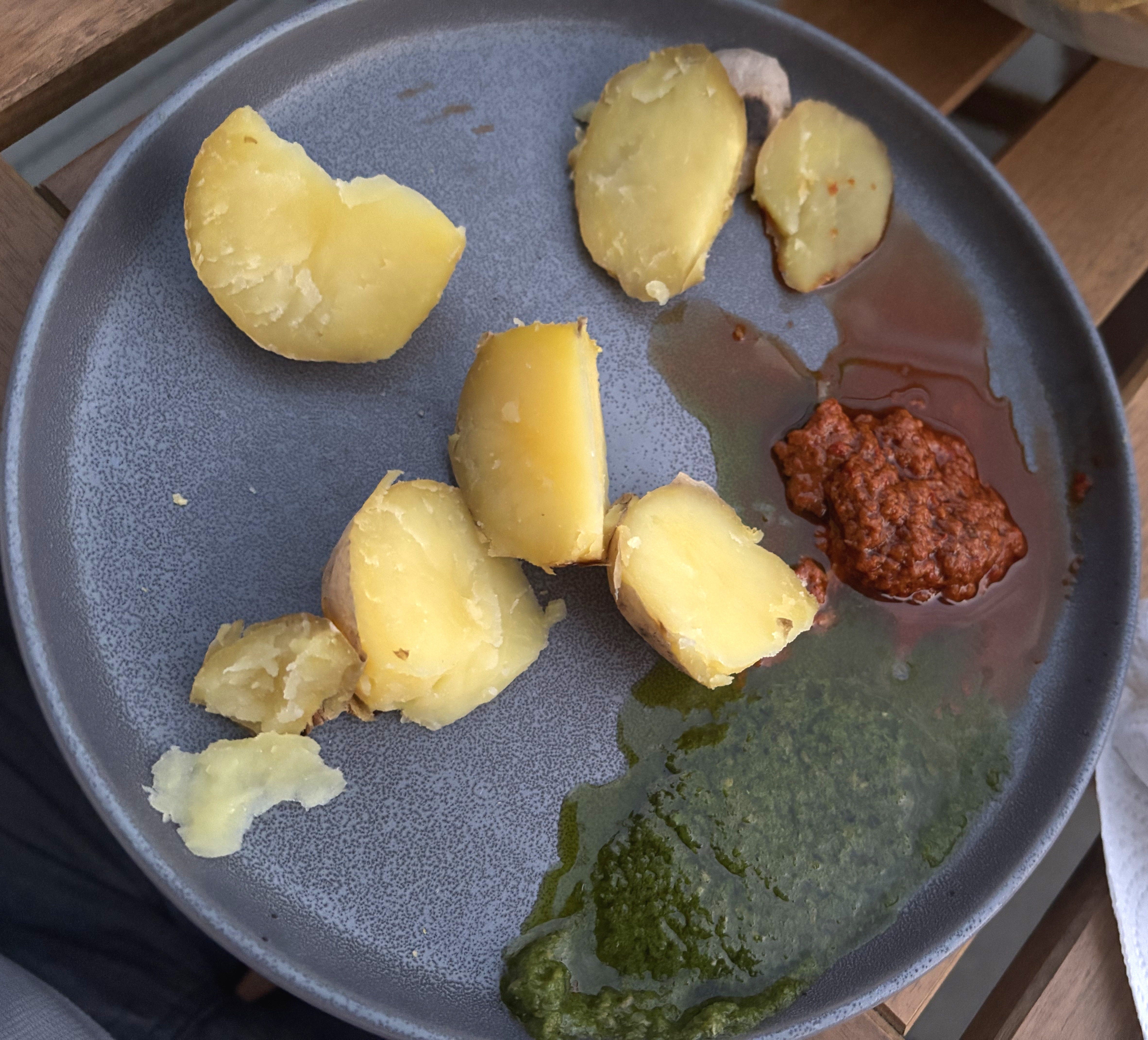
My result:
Some of my potatoes got slightly burned for not shaking them enough on the final step, so be careful with that!
Step 1: Prepare the potatoes
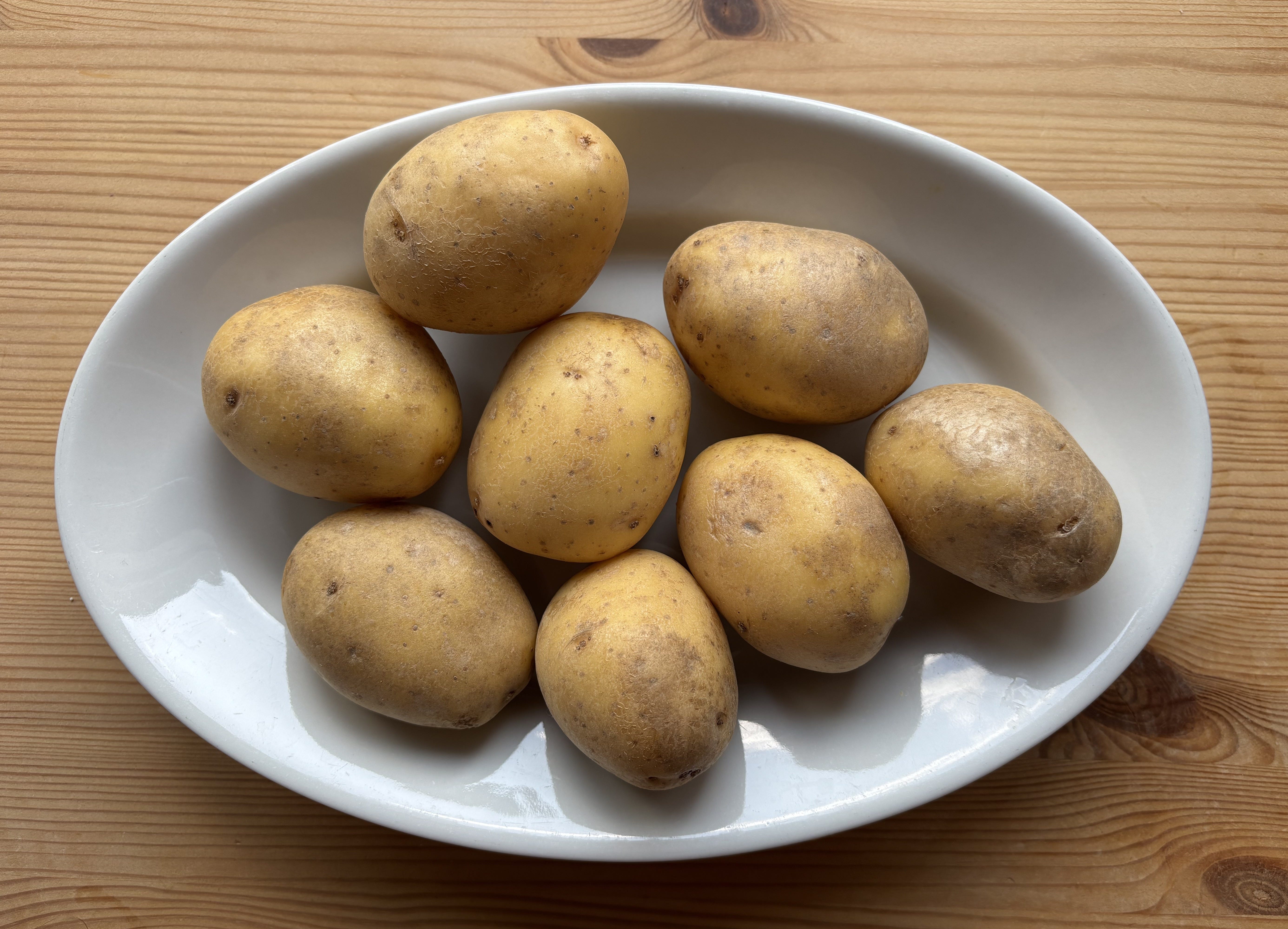
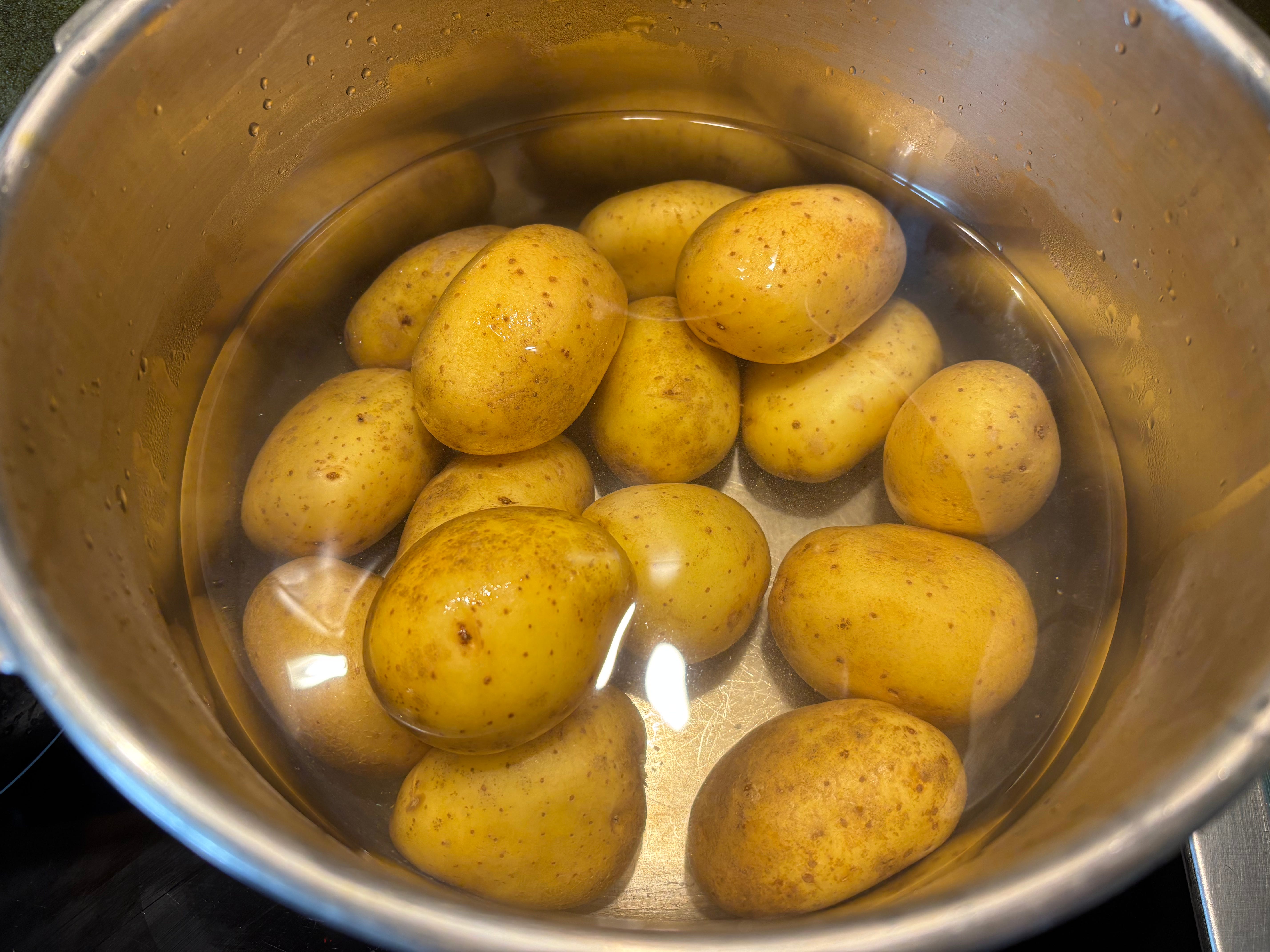
Step 2: Place them in the pot with water
Step 3: Add A LOT of salt
Step 4: Remove water after 20 min and shake them
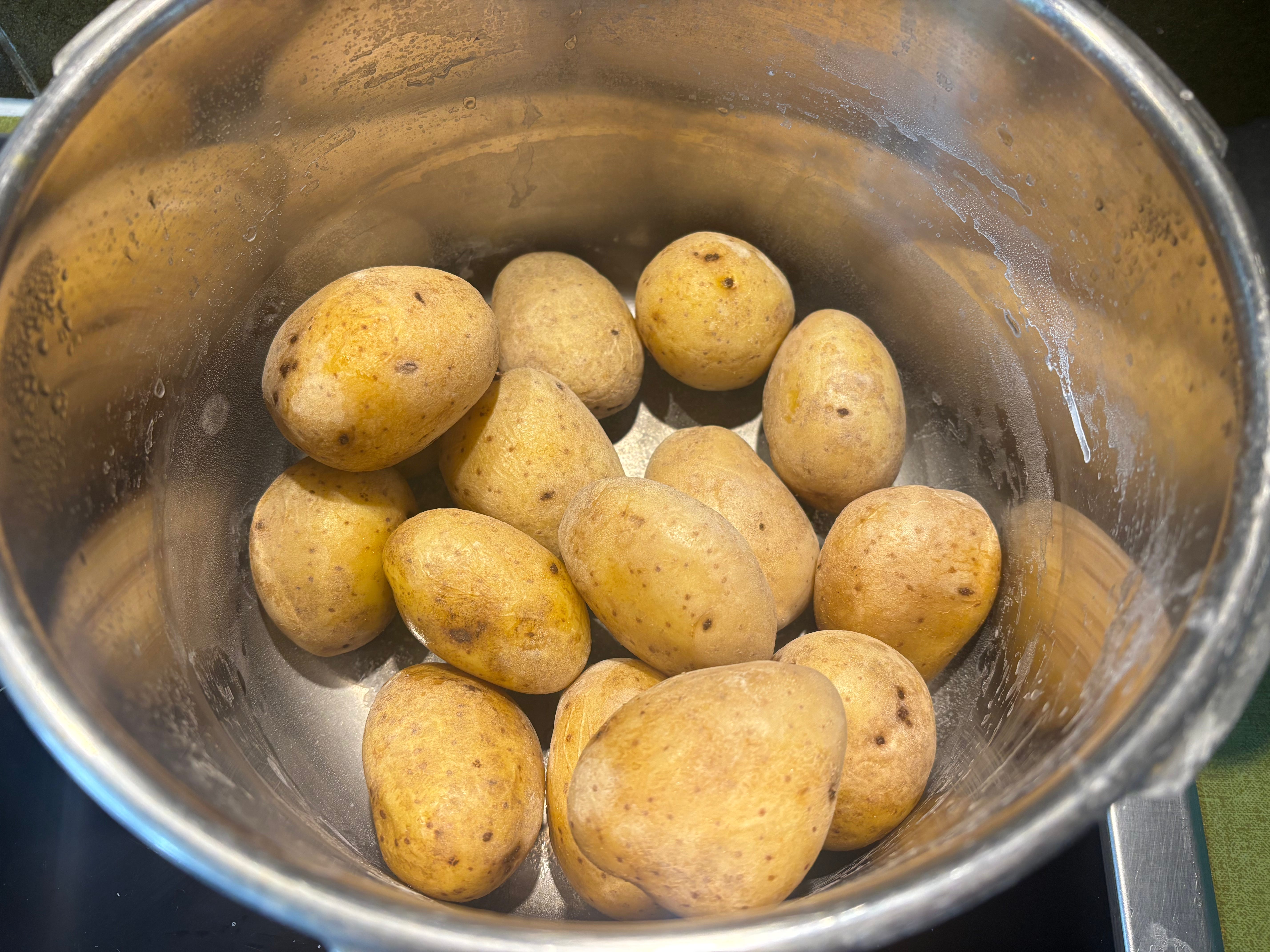
Result:
And the sauces:
Final Result: Bringing them to my friends’ house party!
The Next Stop
I hope you enjoyed this first stop of our gastronomic trip around Spain. Papas arrugadas are great to eat as a side, as an appetiser, or with friends! In the next episode, we will jump to mainland Spain, starting our trip around the Iberian Peninsula.
I cooked the recipe. It was great, but the garlic in the sauce did for me, so next time I won't use it. My missus complained that all that salt will raise her blood pressure even higher, so more for me.
What a fun project! I will be following your trip and recipes!